Home / Insights / how to heal the inner child
how to heal the inner childHow to Heal the Inner Child: Steps for Emotional Healing
Healing past wounds starts with clear steps for how to heal the inner child. This article shares practices like mindfulness, journaling, and self-compassion. It helps

Healing past wounds starts with clear steps for how to heal the inner child. This article shares practices like mindfulness, journaling, and self-compassion. It helps readers in the U.S. and worldwide heal their inner child and find self-love.
Unmet childhood needs often stay as emotional patterns. These patterns limit joy and trust. Recognizing them is the first step to emotional wholeness.
Addressing childhood wounds improves relationships and self-esteem. It also boosts creativity and reduces reactivity. Inner child work is slow but possible with consistent effort and professional help.
This series will offer practical steps and resources for healing. It will focus on trauma-informed approaches and recommend therapists and counseling services. This will support deeper inner child therapy and recovery from childhood trauma.
Understanding the Concept of the Inner Child
The inner child is the part of us that holds wonder and early memories. It carries unmet needs and simple joys from childhood. Therapists use inner child work to help adults heal and grow.
What is the Inner Child?
The inner child is the childlike part of us. It stores emotional imprints from our early years. It can hold both joy and deep wounds.
Clinicians help restore safety and joy through inner child work. They aim to bring back self-compassion.
The Impact of Childhood Experiences
Unmet childhood needs can shape adult life. Neglect, abuse, and trauma can hurt our inner child. This can affect our self-esteem and relationships.
Common issues include low self-worth and fear of intimacy. Untreated trauma can lead to depression and anxiety. Healing from childhood trauma is key for change.
Recognizing Your Inner Child’s Voice
The inner child speaks through sudden emotions and harsh self-talk. It shows in our reactions and patterns. Moments of shame or clinginess can signal its presence.
Notice bodily tension and negative beliefs. These signs are the first step to healing. They help us find ways to heal specific wounds.
Steps to Connect with Your Inner Child
Connecting with your inner child is easy and can be done every day. Just take a few moments that feel calm and free. These moments help memories and feelings come up without fear of judgment.
Use deep breathing and quick body checks to find old hurts. Ask yourself, What did I need then? This helps you talk kindly to your younger self.
Creating a Safe Space for Reflection
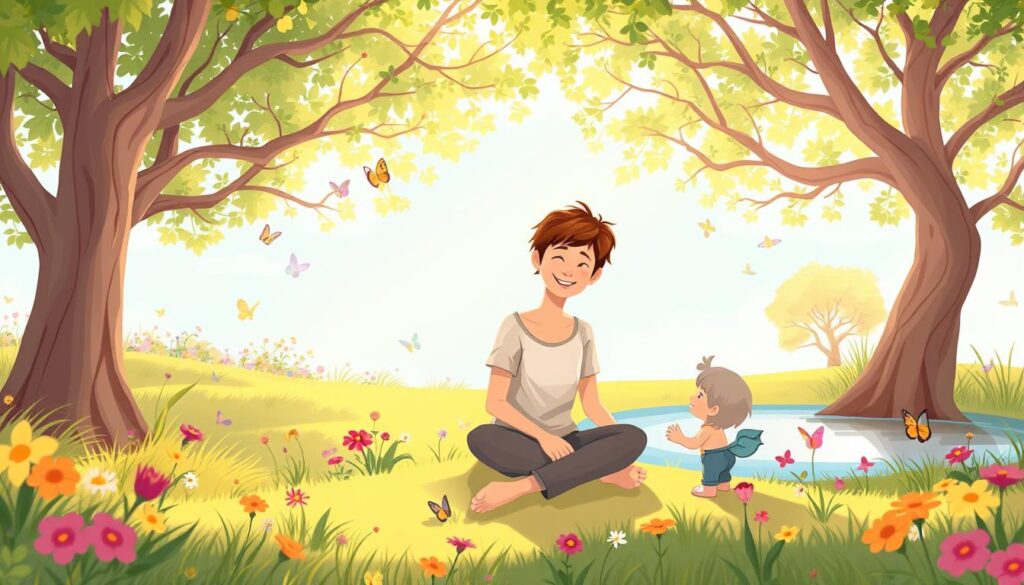
Choose a special place for thinking and feeling. Keep something cozy or a favorite tea nearby. Say a kind phrase to yourself for two minutes to feel safe.
If you feel strong emotions, name them and breathe. Short breaks each day help you trust and heal more easily.
Journaling and Expressive Writing
Start journaling with clear questions. Write a letter to your younger self that says you’re okay. Write about a memory for five minutes and see what comes up.
Ask yourself, What do I need from my inner child today? Writing helps you connect past and present. It’s a powerful way to heal.
Engaging in Playful Activities
Bring play back into your life with art, dance, or music. Focus on enjoying the process, not making it perfect. Try adult play spaces or guided sessions for fun and safety.
Play helps reduce stress and lets your inner child feel happy. Mix different activities for even better results. Try journaling then drawing, or use a song to start writing.
Make a plan for short, regular practices. Celebrate small steps to feel like you’re making progress.
Techniques for Healing the Inner Child
Practical tools make inner child work safe and accessible. Here are focused methods for self-guided practice and professional care. Use them gently and pace yourself if memories or feelings grow intense.

Meditation and Mindfulness Practices
Start with short, evidence-informed exercises. Try a body-scan meditation to notice held tension. Use breath-awareness to calm the nervous system.
Practice loving-kindness meditation with phrases like “I am enough” to build self-compassion. Include mindful play to reconnect with spontaneity. These practices ground you in the present, lower reactivity to triggers, and help you adopt a compassionate stance toward your younger self. Pair sessions with simple notes on what you felt afterward.
Visualization Exercises for Healing
Guided imagery can create a safe meeting place with your younger self. Visualize comforting the child version of you. Imagine a protected space where your inner child can speak freely.
Try visual re-parenting where your adult self offers reassurance and clear boundaries. Use sensory details—sights, sounds, textures—to make the scene vivid. Close each exercise by journaling what the younger self said or needed.
Seeking Therapy or Professional Guidance
Consider licensed clinicians who specialize in inner child therapy or trauma-informed care when memories feel overwhelming. Therapists can offer structured methods like EMDR or somatic approaches to process deep trauma safely.
Use counseling services and resource specialists to locate experienced providers. Combine self-help routines with professional support for intensive triggers, symptoms of PTSD, or stalled progress. Pace work, use grounding tools if you become overwhelmed, and prioritize self-care between sessions.
Building a Supportive Environment
Healing the inner child needs a safe outside world. Start by making routines and places that feel calm. Small habits like a regular sleep time or a weekly creative hour help a lot.
Cultivating Healthy Relationships
Be around people who get you and respect you. Find friends or partners who listen well and support your growth. Look for those who show emotional safety.
Establishing Boundaries for Self-Care
Boundaries keep your emotional energy safe. Learn to say no when you need time alone. Limit contact with those who hurt you in the past.
Continuing Your Inner Child Journey
Healing is a journey, not a quick fix. Do daily things like mindful breathing and journaling. Keep a journal of your progress and plan self-care time.