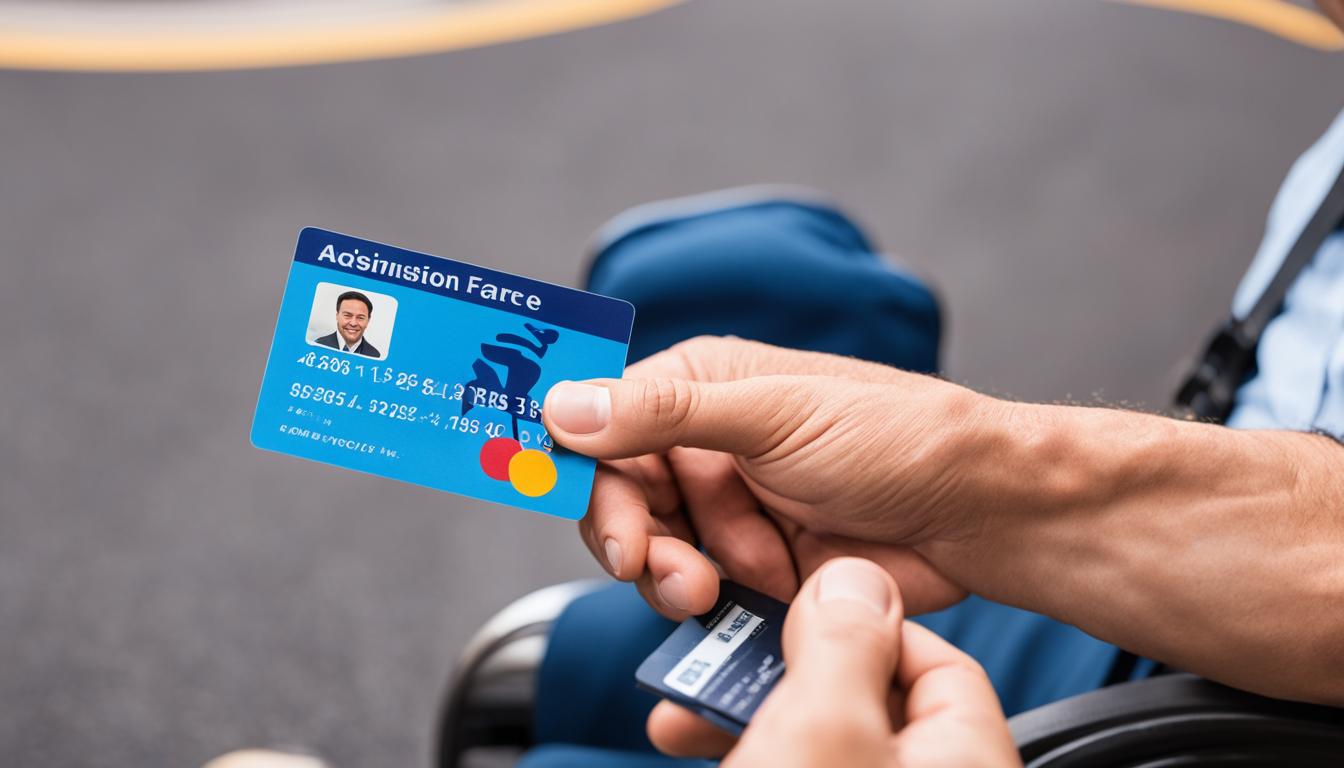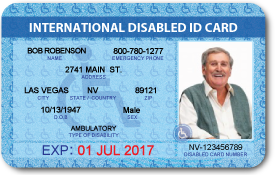
In the United States, a disability card is an official ID for people with disabilities. It proves a person’s right to certain benefits and services. It also gives access to priority services and special access in different places.
Knowing how to apply for a disability card is key. The process varies by state and program. But, it usually needs proper documents and medical checks.
This article will help you understand the steps to get a disability card. We’ll talk about what you need to apply, how to get your medical records checked, and what happens after you apply. It’s important to know about this ID.
Understanding the Disability Card and Its Benefits
In the United States, a disability card is vital for those with disabilities. It makes daily life easier and more independent. This card legally confirms a person’s disability, giving them access to important rights and protections.
What Is a Disability Card?
A disability card proves an individual’s disability status. It unlocks rights, accommodations, and services. Each card is unique, serving different purposes.
It’s like a key to unlock access to programs and legal protections. This verification is key for public and private services that promote equality and accessibility.
Types of Disability Cards in the U.S.
The U.S. doesn’t have one national disability card. Instead, there are various cards and placards for different needs.
The most well-known is the disabled parking placard or license plate. It’s issued by state DMVs for accessible parking.
There are also cards for reduced-fare transit services and federal program certifications. Some states offer a general disability ID card, but it’s not common.
Advantages of Having a Disability Card
Having a disability card offers many benefits. The main advantage is access to accessible parking spaces, which is a big help for those with mobility issues.
These cards also provide legal recognition. This can help request accommodations at work or public places. Some states even offer tax benefits or lower vehicle registration fees.
One of the best things about a disability card is the sense of legitimacy it gives. It proves your disability without needing to explain it, which can be very empowering.
In short, a disability card is more than an ID. It’s a key to unlocking access, accommodations, and independence for millions of Americans.
Eligibility Criteria for Obtaining a Disability Card
Figuring out if you qualify for a disability card is the first step. This section explains the basic requirements, the documents you need, and how your eligibility is checked. The process is clear and aims to help those who need it.
General Requirements for Applicants
To get a disability card, you must meet certain criteria. You need a long-term condition that limits your daily activities. This must be confirmed by a doctor or other healthcare expert.
You also need to be a legal U.S. resident. There’s no age limit, but the disability must last at least 12 months or be life-threatening.
The condition must also affect your daily life significantly. The eligibility criteria for a disability card focus on how the condition impacts your life. This is the core of the qualification process.
Documentation Required for Application
Getting the right paperwork is key. The documents prove your eligibility and identity. You’ll need a completed application form from your state’s DMV website.
The most important document is the medical certification. Your doctor must fill this out. It should explain your disability, its expected duration, and how it affects your daily life. You’ll also need to provide proof of identity and residency, like a driver’s license and utility bill.
Assessment Procedures for Qualification
The assessment checks if you’re eligible. It’s more than just looking at your paperwork. It ensures the disability certification is accurate.
Your healthcare provider does the main assessment. They fill out the medical certification part of the application. For physical and sensory disabilities, the focus is on mobility and the need for accessible parking. For non-visible disabilities, the report is key.
A state-appointed board or the issuing agency then reviews your application. They check if the medical documents are complete, if the condition is a disability, and if your residency and identity documents are correct. This thorough check leads to the disability certification card being issued.
In summary, getting a disability card requires meeting medical and legal standards, providing detailed documents, and passing a review by a qualified board. The process is detailed but ensures the disability certification card goes to those who really need it.
The Application Process for a Disability Card
Getting a disability card involves several steps. This guide will walk you through the process, point out common mistakes, and offer tips for a smooth experience.
Before starting, collect your personal info and medical records.
Step-by-Step Guide to Applying
You can apply online, by mail, or in person. First, fill out the official form. Then, provide proof of who you are, where you live, and your medical condition.
After you submit everything, wait for the processing time. It’s wise to apply early.
To avoid delays, make sure your application is complete.
Common Mistakes to Avoid
Don’t submit incomplete forms or lack medical proof. Also, remember to include proof of residency and a valid ID. These are common reasons for delays or denials.
Organizing your documents early is key for a smooth application.
Tips for a Successful Application
Start by gathering all needed documents, like medical forms from your doctor. Keep copies of everything. After applying, you can check your application status online or by phone.
For renewals, start early. If your card is lost, report it and ask for a replacement, just like with a lost parking permit.
FAQ
What is a disability card in the United States?
Who is eligible to apply for a disability parking placard or plate?
What are the main benefits of having a disability card or placard?
How do I apply for a disabled parking placard or license plate?
- Get an application form from your local DMV or their website.
- Have a healthcare provider complete and sign the medical certification.
- Submit the application and fees to your local DMV office in person or by mail.
What documents do I need to apply for a disability placard or card?
- A completed application form.
- A medical certification form signed by your healthcare provider.
- Proof of identity, like a driver’s license.
- Proof of vehicle registration for a license plate.
- Payment for any fees.
What are the most common mistakes people make when applying?
- Incomplete or Incorrect Forms: Not having a healthcare provider fill out their section correctly.
- Insufficient Medical Documentation: The medical certification must clearly state the disability and its impact on mobility.
- Incorrect Fees or Payment: Not including the correct payment for placards or plates.
- Missing Information: Forgetting to sign the application or provide current contact information.